SuriaLink Connecting Southeast Asia to American Markets

SuriaLink

Connecting Southeast Asia to American Markets

Latest Articles

Regulatory Blind Spots: What American Companies Miss Before Entering Southeast Asian Markets
Investment & Markets

Regulatory Blind Spots: What American Companies Miss Before Entering Southeast Asian Markets

Southeast Asia's fragmented regulatory landscape has quietly derailed more than a few American market-entry strategies. From conflicting data privacy statutes to sector-specific foreign ownership caps, the compliance terrain demands far more preparation than most US executives anticipate. This guide breaks down the most consequential pitfalls—and the frameworks that help companies move fast without stepping on legal landmines.

Trade & Supply Chain

From Buyer to Builder: How US Companies Are Establishing Operational Command Centers Across Vietnam and Thailand

American companies are no longer content to simply source from Southeast Asia—they are planting operational roots there. A growing number of US enterprises are converting transactional supplier relationships into integrated regional infrastructures, establishing distribution centers, quality assurance facilities, and logistics networks that treat Vietnam and Thailand as permanent operational homes rather than interchangeable vendors. The economics driving this shift are as compelling as the geop

When English Is No Longer Enough: The Countdown for US Businesses to Localize Their Southeast Asia Presence
Trade & Supply Chain

When English Is No Longer Enough: The Countdown for US Businesses to Localize Their Southeast Asia Presence

American companies have long relied on English-language fluency as a built-in advantage when entering Southeast Asian markets, but that competitive edge is narrowing faster than most US executives realize. From AI-powered chatbots in Bahasa Indonesia to Vietnamese-first e-commerce platforms capturing millions of daily users, the region's digital infrastructure is rapidly reorienting around local languages — and the businesses failing to adapt are already ceding ground to regional competitors who

Diaspora Dollars at Work: How Southeast Asian Immigrant Networks Are Quietly Financing America's Next Wave of Cross-Border Ventures
Investment & Markets

Diaspora Dollars at Work: How Southeast Asian Immigrant Networks Are Quietly Financing America's Next Wave of Cross-Border Ventures

More than $150 billion flows annually from Southeast Asian immigrants in the United States back to their home countries — but a growing share of that capital is no longer simply family support. Sophisticated trust-based lending circles and diaspora-driven financing networks are emerging as a parallel trade finance engine, funding cross-border businesses that traditional banks have largely overlooked. For American entrepreneurs and investors paying attention, the opportunity is substantial.

Beyond the Gateway Cities: How Forward-Looking US Employers Are Discovering World-Class Talent in Southeast Asia's Rising Hubs
Investment & Markets

Beyond the Gateway Cities: How Forward-Looking US Employers Are Discovering World-Class Talent in Southeast Asia's Rising Hubs

While most American companies default to recruiting from Southeast Asia's established metropolitan centers, a growing cohort of US employers is quietly building competitive workforces from the region's secondary and tertiary cities—places producing highly specialized professionals in fields ranging from sustainability consulting to supply chain analytics at costs that fundamentally alter hiring economics. The organizations moving first into these talent markets are not simply saving money; they

Faster Money, Fewer Barriers: How ASEAN's Fintech Surge Is Opening Doors for American Mid-Market Companies
Trade & Supply Chain

Faster Money, Fewer Barriers: How ASEAN's Fintech Surge Is Opening Doors for American Mid-Market Companies

Across Southeast Asia, a quiet but consequential transformation in financial infrastructure is making cross-border commerce faster, cheaper, and more accessible than at any previous point in history. For American mid-market companies that once found ASEAN markets financially cumbersome to enter, the region's fintech revolution is dismantling the most persistent structural barriers. Understanding this shift is no longer optional for US businesses with regional ambitions.

Manila to Jakarta: The Engineering Talent Revolution Reshaping How US Tech Companies Build Their Teams
Trade & Supply Chain

Manila to Jakarta: The Engineering Talent Revolution Reshaping How US Tech Companies Build Their Teams

American technology firms—from early-stage startups to Fortune 500 giants—are establishing engineering centers across the Philippines and Indonesia, tapping into a deep pool of software talent that rivals traditional offshore destinations. The combination of English fluency, competitive compensation structures, and favorable time zones is compelling US companies to rethink where and how they build their core technical teams. SuriaLink examines the structural forces driving this shift and what it

The $600 Billion Consumer Frontier: How US Brands Are Cracking Southeast Asia's Middle-Class Market
Investment & Markets

The $600 Billion Consumer Frontier: How US Brands Are Cracking Southeast Asia's Middle-Class Market

Southeast Asia's rapidly expanding middle class is generating consumer spending power that American brands in beauty, lifestyle, and e-commerce can no longer afford to treat as peripheral. With household incomes rising across six major economies and digital commerce platforms eliminating traditional barriers to market entry, US companies are redesigning their regional strategies from the ground up. SuriaLink examines the data, the market entry models, and the consumer psychology that separates s

Singapore, Malaysia, and Thailand Are Quietly Becoming America's Most Valuable Logistics Allies
Trade & Supply Chain

Singapore, Malaysia, and Thailand Are Quietly Becoming America's Most Valuable Logistics Allies

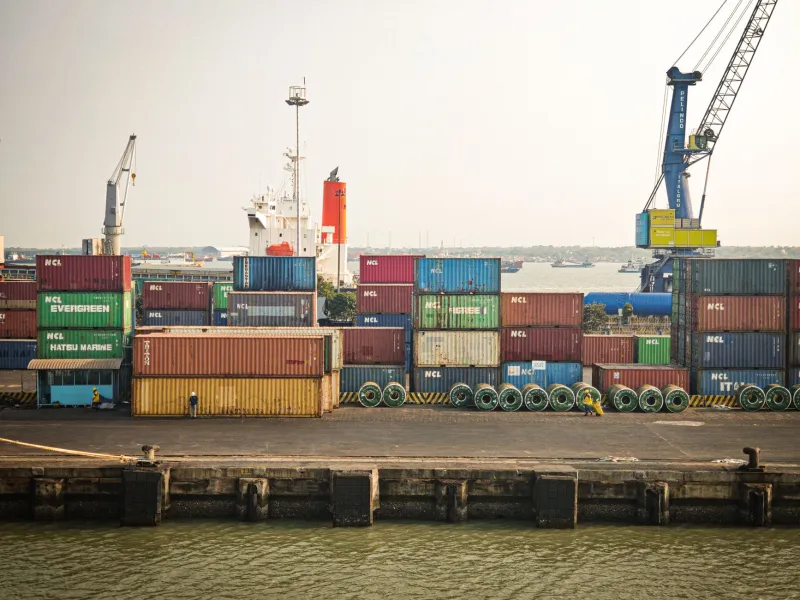
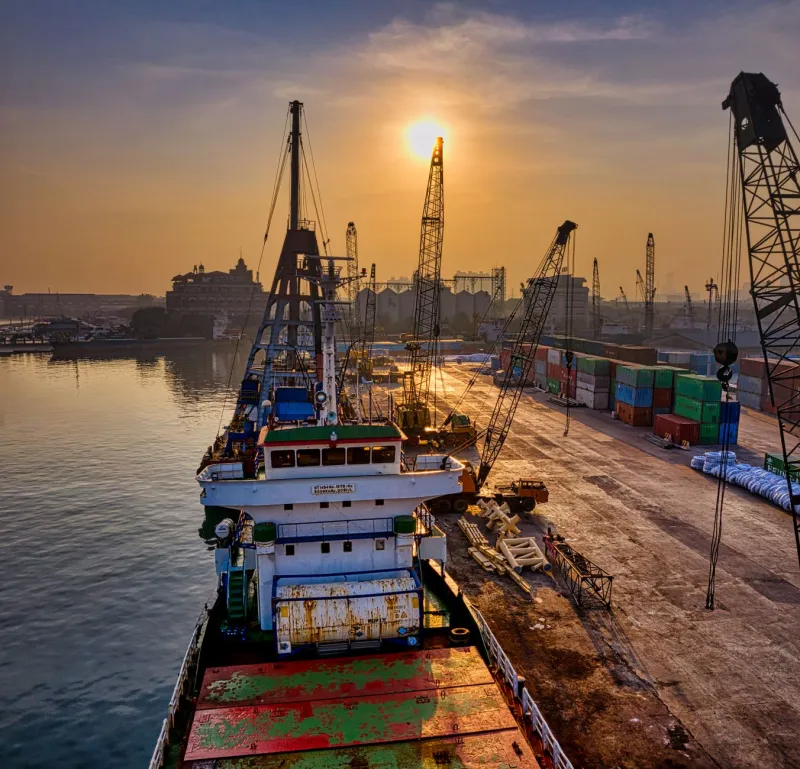
American retailers are restructuring their Asia-Pacific distribution networks around Southeast Asian ports, trading outdated trans-Pacific routes for faster, more cost-efficient alternatives. Singapore, Malaysia, and Thailand have emerged as the linchpins of this quiet logistical revolution. Here is what US supply chain executives need to understand before their competitors do.

American Enterprises Are Finding Their Next R&D Breakthrough in Southeast Asia
Investment & Markets

American Enterprises Are Finding Their Next R&D Breakthrough in Southeast Asia

A fundamental shift is underway in how American corporations approach innovation: rather than simply contracting Southeast Asian firms for low-cost development work, US enterprises are now building genuine co-creation partnerships with regional startups and establishing dedicated R&D centers across the region. The implications for American investors and technology executives are substantial.

The New Manufacturing Map: Why US Companies Are Betting on Vietnam, Thailand, and Indonesia to Replace China
Trade & Supply Chain

The New Manufacturing Map: Why US Companies Are Betting on Vietnam, Thailand, and Indonesia to Replace China

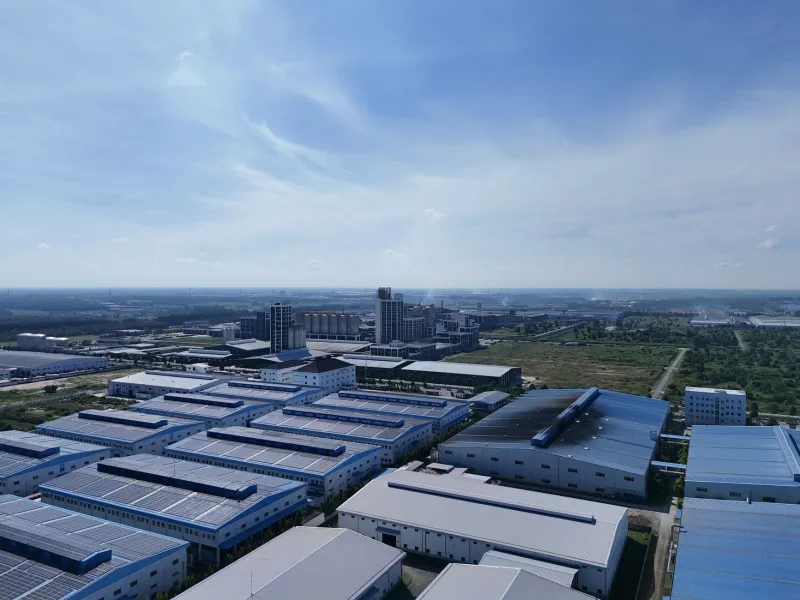
American manufacturers and retailers are accelerating a fundamental restructuring of their supply chains, moving production capacity from China into Vietnam, Thailand, and Indonesia at a pace that is reshaping regional economies and global trade flows. Driven by tariff exposure, geopolitical risk, and hard lessons learned during the pandemic, US companies are navigating an unfamiliar landscape with significant strategic stakes. SuriaLink examines what this shift means in practice — and what busi

From Kuala Lumpur to Silicon Valley: How Southeast Asia's Tech Unicorns Are Rewriting the Rules of Global Venture Capital
Investment & Markets

From Kuala Lumpur to Silicon Valley: How Southeast Asia's Tech Unicorns Are Rewriting the Rules of Global Venture Capital

Southeast Asia's technology sector has quietly matured into one of the world's most compelling investment frontiers, drawing serious capital from American venture firms that once overlooked the region entirely. Companies born in Jakarta, Singapore, and Kuala Lumpur are now competing on a global stage — and US investors are taking notice. This deep dive examines the forces reshaping cross-Pacific capital flows and what they mean for American portfolios.